

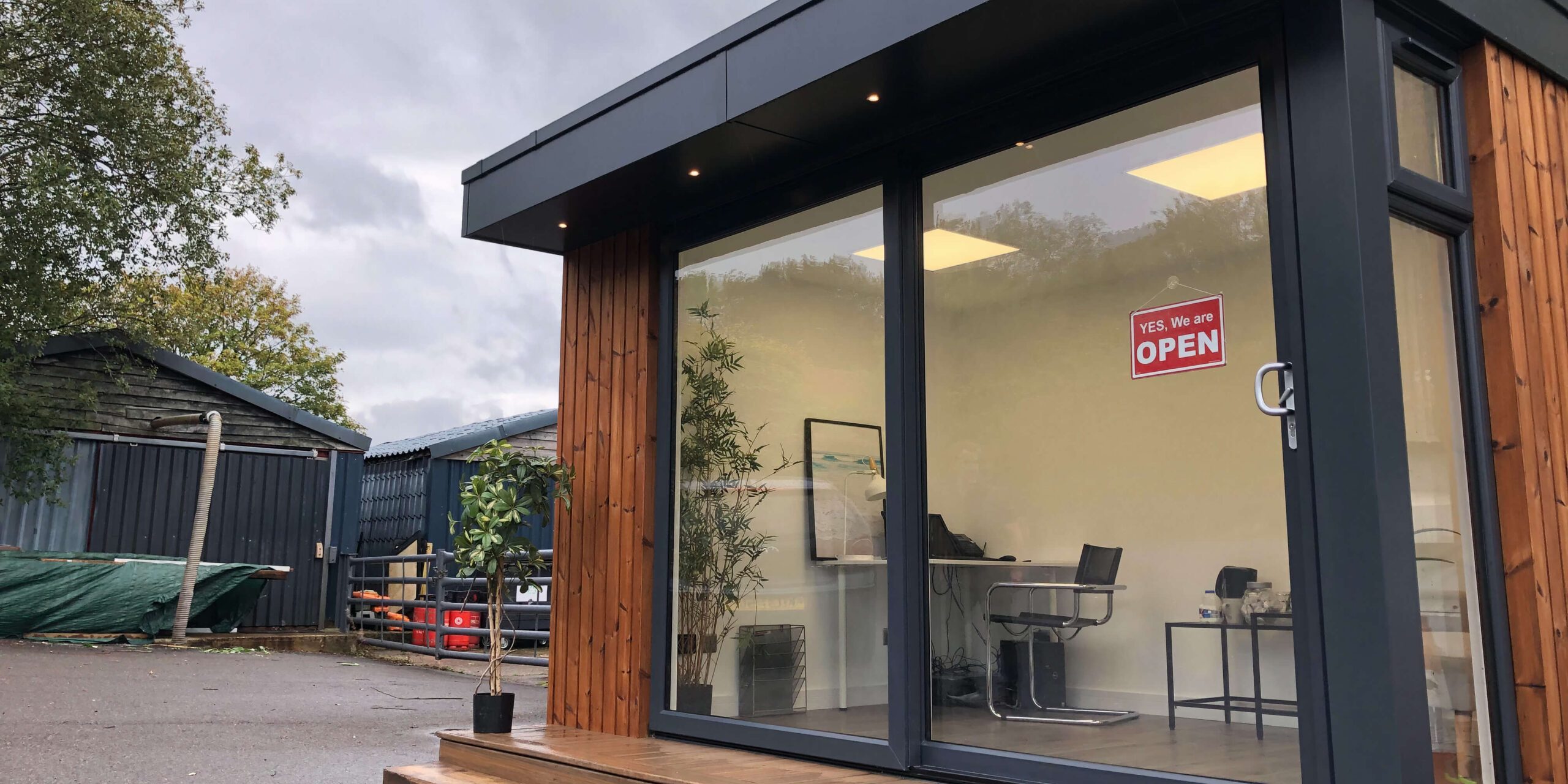
Are garden rooms worth it? For most people, yes. But not always, and not every garden room is built equally. If you are searching for “garden room regret” you probably want the truth rather than a sales pitch, so here it is: a well built, properly insulated garden room used regularly is one of the best investments you can make in your home. A cheap one slapped together with thin walls and no ventilation plan will become an expensive garden ornament you resent every time you look at it.
We have built over 1,000 garden rooms across South East London, Kent, Surrey, and Sussex since 2004. We have seen what works, what does not, and what makes people wish they had done things differently. This is an honest breakdown of the real pros and cons.
Why Some People Regret Their Garden Room
Let’s start with the negatives, because that is what you came here for.
The Telegraph ran a piece about a homeowner who spent £18,000 on a garden office and barely uses it. Her complaints were specific: the Wi-Fi did not reach properly, it was freezing in winter and boiling in summer, and she got tired of carrying her laptop through the rain. She ended up working from her kitchen instead.
That story is not unusual. When we look at garden room regret across forums, reviews, and complaint sites, the same problems come up again and again. Almost none of them are about the concept of a garden room being wrong. They are about the build quality or planning being wrong.
The Most Common Complaints
- Too cold in winter, too hot in summer. This is the number one complaint. Cheap garden rooms use thin insulation or none at all. They are fine in September and miserable in January. If the walls are not properly insulated, you will spend a fortune on electric heaters and still feel cold.
- Condensation and damp. Warm air from your breath and a heater hits cold walls and windows. Water forms. Paint blisters. Wood warps. This happens when insulation is poor and there is no ventilation strategy.
- Wi-Fi that does not reach. Surprisingly common. People assume their home broadband will stretch to the bottom of the garden. It often does not, especially through insulated walls.
- Inconvenient in bad weather. The walk from your back door to the garden room feels like nothing in July. In February rain, carrying a laptop and a cup of tea, it gets old fast.
- Security concerns. A garden room full of expensive equipment sitting at the end of the garden is a target. Without proper locks and lighting, insurance may not even cover a break in.
- Not used enough. Some people build a garden room for a specific purpose that fades. The home gym becomes a storage room. The office is not needed after a job change.
- Noise issues. If you want to use it as a music room or for video calls, thin walls and single glazed windows will not contain sound. Your neighbours will hear everything.
These are real problems. But notice the pattern: most of them come down to specification and build quality, not the idea of having a garden room itself.
The Genuine Pros of a Garden Room
Now for the other side. When a garden room is built properly, the benefits are significant.
1. Extra Usable Space Without the Cost or Hassle of an Extension
A house extension in the South East will typically cost £1,500 to £2,500 per square metre, involve weeks of disruption inside your home, and require full building regulations approval plus possibly planning permission. A quality garden room delivers usable space at a lower price per square metre, installs in days rather than months, and in most cases falls under permitted development so you do not need planning permission at all.
2. Real Productivity Gains for Home Workers
Stanford research found that hybrid workers are just as productive as office based colleagues, and other studies suggest remote workers can be 35 to 40 per cent more productive than those in traditional offices. But that depends on having a proper workspace. Working from a kitchen table with children, pets, and a television nearby is not the same as a dedicated, quiet office at the end of the garden. The physical separation of walking to your garden room creates a mental boundary between work and home life that most remote workers say they struggle to maintain otherwise.
3. Property Value Increase
This is one buyers always ask about. According to estate agents surveyed by Green Retreats, 84 per cent said a garden room increases a property’s marketability, and 72 per cent believed it adds at least £15,000 in value. Robert Fitzjohn of Fitzjohn Estates puts the figure higher, saying a quality garden room “can increase a property’s value by as much as fifty to one hundred thousand pounds depending on size and location.” Rightmove has reported a 1,046 per cent increase in property listings mentioning garden offices over the past decade. Buyers in 2025 and 2026 actively search for homes with these spaces.
The key word there is “quality.” A tired, damp, poorly maintained garden building will put buyers off rather than attract them.
4. Versatility Over Time
A well designed garden room adapts. It starts as a home office, becomes a teenager’s study space, turns into a therapy room or art studio, and eventually serves as a quiet retreat in retirement. Multi-purpose flexibility is what estate agents say buyers value most. Single purpose rooms are falling out of favour.
5. Year Round Use (If Built Right)
This is the dividing line between a garden room that is worth it and one that is not. With proper insulation, you get a space that stays warm in winter without enormous heating bills and cool in summer without air conditioning. A poorly insulated room will cost you roughly £60 to £130 per month in heating through winter. A properly insulated one needs a fraction of that.
The Cons You Need to Take Seriously
Even with a quality build, there are genuine downsides worth considering before you commit.
Upfront Cost Is Real
A properly built, fully insulated garden room is not cheap. The Garden Room Guide puts the average cost of a 3m x 3m room at around £21,600 including VAT and installation. Larger rooms with electrics, plastered interiors, and high specification finishes will cost more. You need to be realistic about whether you will use it enough to justify the spend. If you work from home three or more days a week, the maths usually makes sense within a couple of years when you factor in saved commuting costs. If you want it for occasional weekend use, think carefully.
Garden Space Is Sacrificed
A garden room takes up garden. On a large plot this is barely noticeable. On a small urban garden, a 4m x 3m building can eat up a quarter of your outdoor space. Get the proportions wrong and it can make a garden feel cramped rather than enhanced. This is one of the most common regrets: building too large for the plot.
You Need Electrics Done Properly
All mains powered garden buildings must have electrics installed by a qualified electrician under Part P of the building regulations. Armoured cable needs to be buried 500 to 750mm deep with warning tape above it. This is not a DIY job. Budget for it from the start, because retrofitting is more expensive and disruptive.
Internet Needs a Plan
Do not assume Wi-Fi will reach. For reliable connectivity in a garden office, you will likely need either a dedicated Wi-Fi access point, a wired ethernet connection run through conduit alongside the power cable, or a mesh network system. Plan this before the build, not after.
Insurance Needs Updating
Your home insurance policy may not automatically cover a garden room or its contents. Insurers typically require you to notify them of any significant addition to your property. They will expect insurance approved locks (BS3621 or equivalent), outdoor lighting, and possibly an alarm. Fail to declare it and you could find a claim rejected after a break in. Check your policy before you build.
The Walk in Bad Weather
There is no getting around this one. You will walk through your garden in the rain sometimes. A covered pathway, a short paved route, and a canopy over the garden room entrance all help. Some of our customers install a small covered walkway. But if the idea of stepping outside in January genuinely puts you off, a loft conversion or spare bedroom might suit you better.
How Quality Builds Address the Most Common Problems
Most garden room regret traces back to cutting corners on the build. Here is how proper specification deals with the biggest complaints.
Insulation That Actually Works
Our garden rooms use 100mm PIR (polyisocyanurate) insulation in the walls, floor, and roof. PIR is one of the most thermally efficient insulation materials available. At 100mm thickness, it far exceeds the performance of the 25mm or 50mm polystyrene panels used in budget garden buildings. The result is a room that holds heat in winter and stays cool in summer, with dramatically lower running costs. This is the single biggest factor in whether a garden room is comfortable year round or a seasonal novelty.
Condensation Prevention
Condensation is not a mystery. It happens when warm moist air meets a cold surface. With 100mm PIR insulation, the internal wall surfaces stay close to room temperature, so moisture in the air does not condense on them. Proper vapour barriers, double or triple glazed windows, and planned ventilation (either trickle vents or mechanical ventilation) complete the picture. We have built over 1,000 rooms and condensation is simply not an issue when the specification is right.
Security Built In
Our builds include insurance rated locks and toughened or laminated glass as standard. We recommend motion sensor lighting and can advise on alarm systems for rooms housing expensive equipment. A properly secured garden room is no more of a target than a ground floor room in your house.
Built to Last
A cheap flat pack garden building might last five to ten years before it starts deteriorating. Our garden rooms are built with a 50 plus year lifespan in mind, backed by a 10 year warranty. When estate agents talk about garden rooms adding property value, they mean buildings like this, not structures that a surveyor will flag as a concern.
So, Is a Garden Room Worth It for You?
A garden room is probably worth it if:
- You work from home at least two or three days a week and need a proper workspace
- You genuinely need more space but do not want the cost and disruption of a house extension
- Your garden is large enough to accommodate a building without feeling cramped
- You are willing to invest in a quality build rather than the cheapest option
- You have a clear idea of how you will use the space, today and in five years
A garden room is probably not worth it if:
- Your garden is very small and the room would dominate the outdoor space
- You are not sure how often you would actually use it
- Your budget only stretches to a basic, uninsulated cabin
- You are buying purely as a property investment with no personal use in mind
The honest answer is that garden rooms are worth it when they are built well and used regularly. The regret stories almost always involve either a poor quality build, insufficient planning, or a room that was never needed in the first place.
See Our Range and Prices
If you are considering a garden room and want to see what a quality build looks like, browse our full range with prices. Every room uses 100mm PIR insulation, is built by our own team (not subcontractors), and comes with a 10 year warranty. We also offer fully bespoke garden rooms designed around your exact requirements.
Have questions? Our FAQ page covers the most common ones, or you can get in touch directly for a straight answer.
Save £5,000 with Our Ambassador Programme
Want a quality garden room for less? Our Ambassador Programme offers a £5,000 saving. In return, you allow us to photograph your completed build and host a small number of viewing visits for prospective customers. It is a straightforward arrangement that has helped hundreds of our customers get more garden room for their budget.