

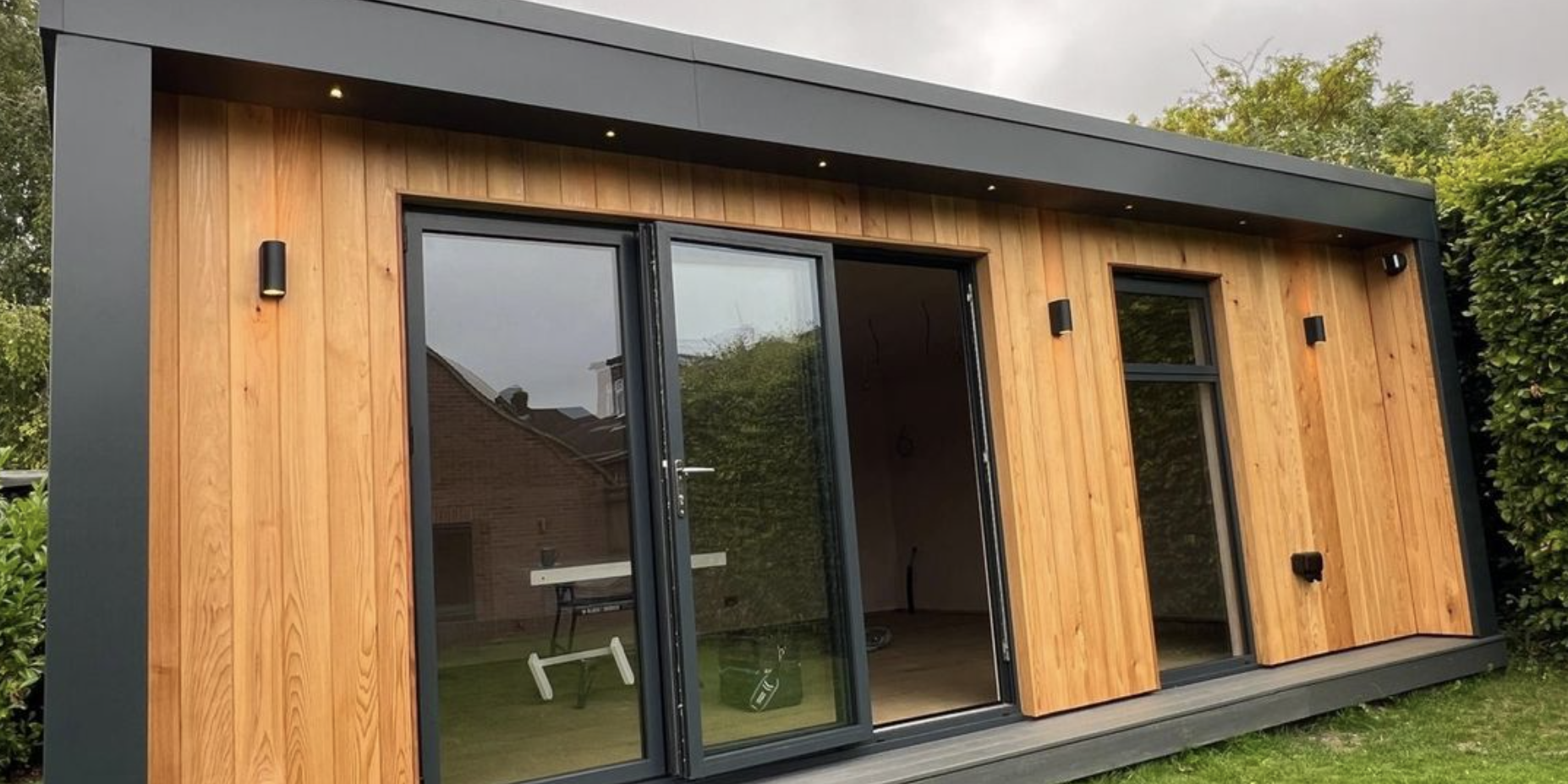
Most garden rooms do not need building regulations approval. If your garden room is under 30 square metres, single storey, and will not be used as a bedroom, it is very likely exempt. But there are important conditions around size, proximity to your boundary, electrical work, and plumbing that you need to understand before you start building. We have been installing garden rooms across South East London, Kent, Surrey, and Sussex since 2004, and we deal with these questions every week. Here is a plain English breakdown of what the rules actually say.
Building Regulations vs Planning Permission: They Are Not the Same Thing
This is the single biggest point of confusion we see. Planning permission and building regulations are two completely separate systems, governed by different legislation and assessed by different teams at your local authority.
Planning permission controls what you can build, where you can build it, and how it looks. It considers the impact on your neighbours and the local area. Most garden rooms fall under permitted development rights, meaning you do not need to apply for planning permission provided you meet certain size and height limits. We cover this in detail on our planning permission and building regulations page.
Building regulations control how a structure is built. They set minimum standards for structural safety, fire resistance, electrical installations, drainage, and energy efficiency. Even if your garden room is permitted development and needs no planning permission, building regulations may still apply to certain elements of the build.
Getting planning permission does not exempt you from building regulations, and vice versa. They are separate hurdles, and you need to consider both.
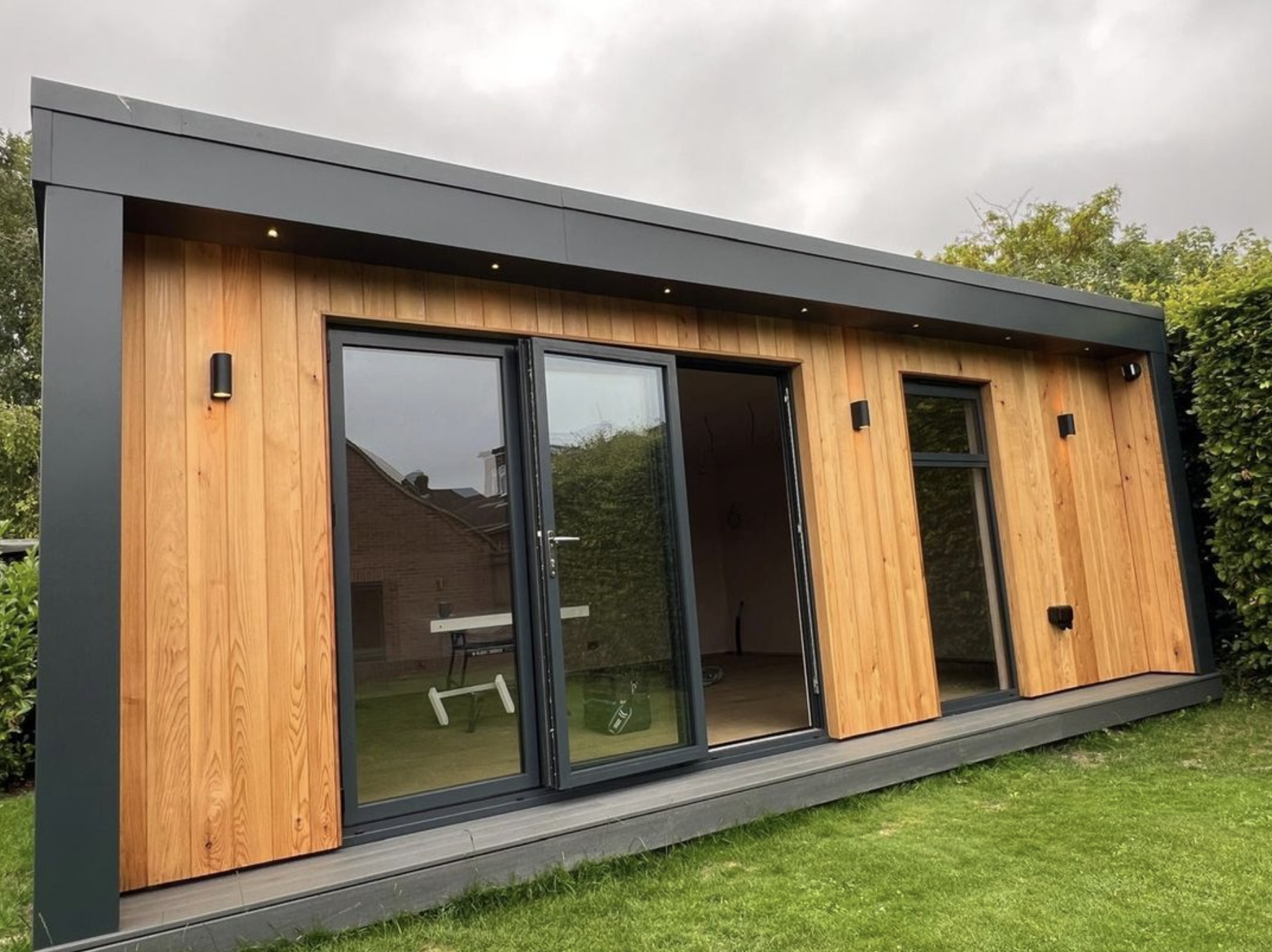
The Size Thresholds: When Building Regulations Apply
The Building Regulations 2010 (Schedule 2, Class 6) set out clear exemptions for detached single-storey buildings. There are three size brackets you need to know about.
Under 15 square metres: generally exempt
If the internal floor area of your garden room is less than 15 square metres and it contains no sleeping accommodation, building regulations will not normally apply. There are no restrictions on materials or how close it sits to your boundary at this size. This covers most smaller garden offices and studio spaces.
15 to 30 square metres: exempt with conditions
If the internal floor area is between 15 and 30 square metres, you can still be exempt from building regulations, but only if both of the following are true:
- The building contains no sleeping accommodation
- The building is either at least one metre from any boundary, or it is constructed substantially of non-combustible materials
That second point is important. If your garden room is between 15 and 30 square metres and you want to place it within one metre of your boundary, the external walls need to be built from non-combustible materials. Standard timber cladding alone would not satisfy this requirement. You would need cement board cladding, fire-retardant membranes, or specialist plasterboard to comply.
Over 30 square metres: full building regulations required
Any garden room with an internal floor area over 30 square metres requires full building regulations approval, regardless of what it will be used for or where it is positioned. You will need to submit a building control application, either through your local authority or an approved inspector, and the build will be inspected at various stages.
Sleeping accommodation: the deal breaker
If you plan to use your garden room for sleeping, even occasionally, it requires building regulations approval regardless of size. This applies whether you are building a garden annexe for a family member, a guest bedroom, or just a space with a sofa bed. The regulations exist to ensure proper fire safety, escape routes, and structural standards for anyone sleeping in the building.
Part P: Electrical Installations
Here is one that catches people out. Part P of the Building Regulations (Electrical Safety in Dwellings) applies to the electrical installation in your garden room regardless of the building’s size. Even if your garden room is under 15 square metres and exempt from general building regulations, the electrics still need to comply with Part P.
In practical terms, this means:
- Electrical work must be carried out by a qualified electrician registered with a competent person scheme (such as NICEIC, NAPIT, or ELECSA)
- The installation must comply with BS 7671 (the IET Wiring Regulations)
- A BS 7671 Electrical Installation Certificate must be issued and a copy given to you as the homeowner
- The work must be notified to your local authority building control, which a registered electrician can self-certify
This certificate is not just paperwork. When you come to sell your property, conveyancing solicitors will ask for it. If you cannot produce it, you may face delays or be asked to pay for a retrospective inspection. All of our builds come with a full electrical installation certificate as standard.
Part L: Energy Efficiency
Part L of the Building Regulations sets minimum standards for energy efficiency, covering insulation values (U-values) for walls, roofs, floors, doors, and windows. However, Regulation 21 of the Building Regulations 2010 exempts standalone buildings (other than dwellings) with a total useful floor area of less than 50 square metres from Part L requirements.
Since the vast majority of garden rooms fall under 50 square metres, Part L technically does not apply. That said, building a garden room with poor insulation is a false economy. If you plan to use it year round as an office, gym, or studio, you will spend a fortune on heating unless the insulation is up to scratch.
Our buildings use 100mm PIR (polyisocyanurate) insulation in the walls, floor, and roof, which significantly exceeds the minimum standards set out in Part L. This means our garden rooms stay warm in winter and cool in summer without heavy reliance on heating or air conditioning. You can see our full range and specifications on our bespoke garden rooms page.
Part B: Fire Safety
Part B of the Building Regulations covers fire safety, including fire resistance of walls and roofs, means of escape, and separation distances from boundaries. For garden rooms, Part B is most relevant in two situations:
- Buildings within one metre of a boundary: If your garden room is between 15 and 30 square metres and sits within one metre of any boundary, it must be constructed from substantially non-combustible materials to remain exempt from building regulations. This is a fire safety measure to prevent fire spreading to neighbouring properties.
- Buildings with sleeping accommodation: Any garden room used for sleeping must meet fire safety standards under Part B, including fire-resistant construction, adequate escape routes, and smoke detection.
Even where a garden room is formally exempt, it makes good sense to use fire-resistant materials and install smoke detection. It protects your investment and, more importantly, anyone using the building.
Adding a Toilet, Shower, or Kitchen
If you want plumbing in your garden room, the rules change. Connecting a garden room to the mains foul sewer automatically brings the project under the scope of building regulations, regardless of the building’s size. This means that even a small garden room under 15 square metres will need building regulations approval for the drainage element if you install a toilet, shower, or kitchen sink.
The key regulations that apply include:
- Part H (Drainage and Waste Disposal): Proper falls on pipework, ventilation of traps, and correct connections to existing drainage systems. Any new soil and vent pipe must be vented at least 900mm above any opening within three metres, unless an air admittance valve is fitted.
- Part G (Sanitation, Hot Water Safety): Wholesome water supply to washbasins, hot water temperature controls (thermostatic mixing valves to prevent scalding), and adequate ventilation for wet rooms (a minimum of 15 litres per second extraction for a shower room).
The groundwork required to connect drainage can be significant, involving trenching through your garden to reach the main soil stack or an alternative solution such as a macerator or pumping station. This is something we always discuss early in the design process so there are no surprises later on.
What About Structural Requirements?
Where building regulations apply (over 30 square metres, sleeping accommodation, or drainage connections), the structure itself must comply with Part A (Structure). This covers foundations, load-bearing elements, and the building’s ability to withstand wind and snow loads.
Even where a garden room is technically exempt, a properly engineered structure will last decades longer than a cheap flat-pack alternative. We use engineered timber frames with proper foundations designed for the ground conditions at each site. If you want to understand the cost differences, our buildings and prices page gives you a clear picture of what is included.
Quick Reference Summary
- Under 15 sqm, no sleeping: exempt from building regulations (except Part P electrics)
- 15 to 30 sqm, no sleeping, 1m+ from boundary: exempt (except Part P electrics)
- 15 to 30 sqm, no sleeping, within 1m of boundary: exempt only if built from non-combustible materials (Part P still applies)
- Over 30 sqm: full building regulations required
- Any size with sleeping accommodation: full building regulations required
- Any size with toilet, shower, or kitchen drainage: building regulations required for drainage element
- Electrical work: always requires Part P compliance, regardless of building size
Getting It Right From the Start
Building regulations exist to keep people safe, and even where your garden room is exempt, building to a high standard is always worthwhile. A well-insulated, properly wired, structurally sound garden room will serve you well for decades and add genuine value to your property.
We have completed over 1,000 garden room installations since 2004, and we handle the regulatory side for every project. If you are unsure whether your project needs building regulations approval, or if you just want to talk through your options, get in touch and we will give you a straight answer.
Save up to £5,000 with our Ambassador Programme
If you already have one of our garden rooms, or you know someone who does, ask about our Ambassador Programme. Previous customers can save up to £5,000 on a new build by helping us spread the word. It is our way of saying thank you to the families who recommend us.