

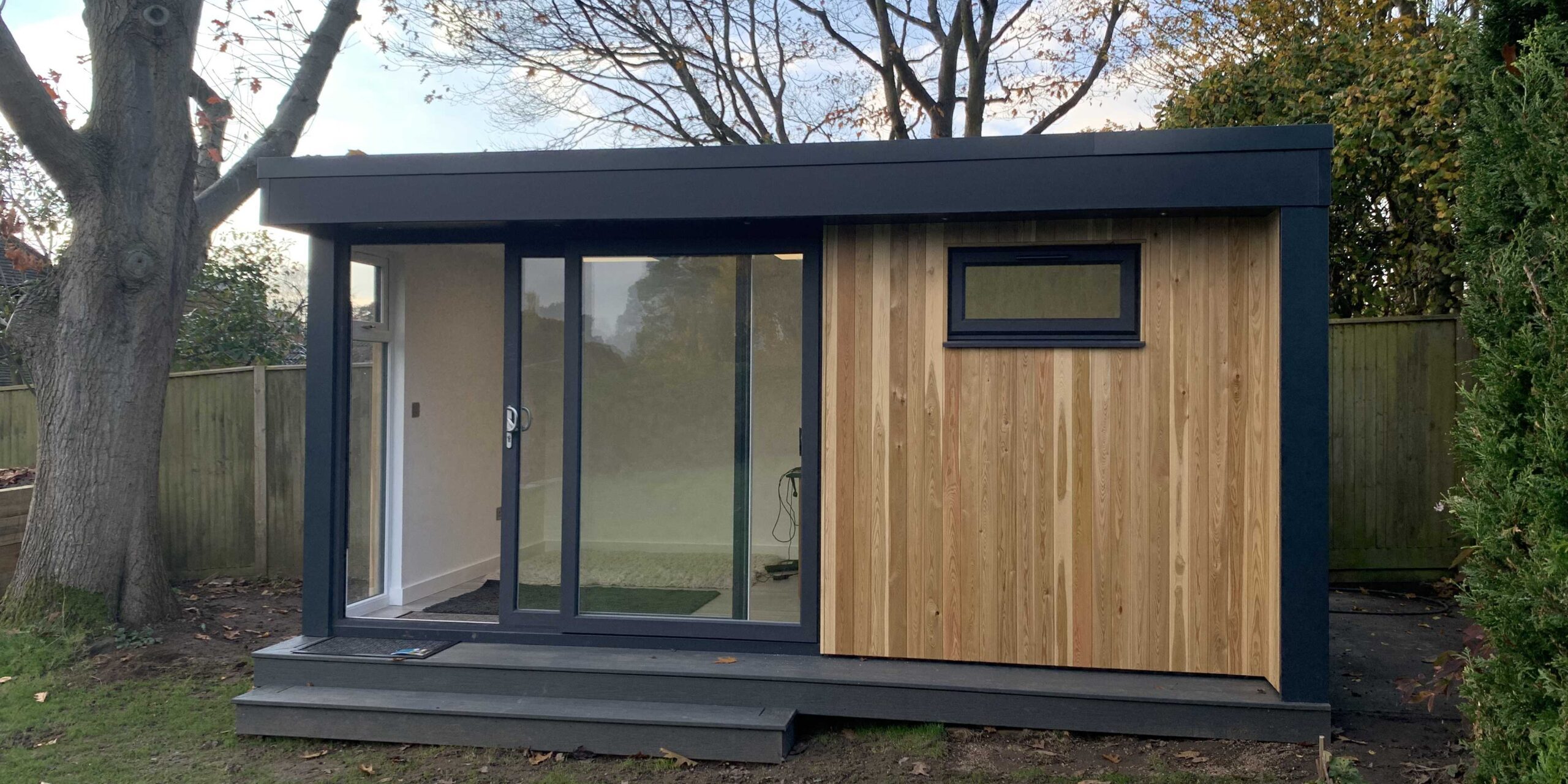
A garden sauna room is one of those projects that sounds indulgent until you actually use one. Then it becomes part of your routine. Step outside after work, heat it up, spend twenty minutes sweating out the day, and walk back inside feeling genuinely better. It is not a luxury reserved for Scandinavian cabins or high end health clubs. With the right design and construction, a sauna fits neatly into a garden room on a typical South East England property.
We have been building garden rooms since 2004, with over 1,000 completed across South East London, Kent, Surrey, and Sussex. In recent years, we have seen a sharp rise in customers asking about wellness features, particularly saunas, steam rooms, and full spa suites. Interest in home saunas has grown considerably, with UK searches for “home sauna” rising by 37% between December 2024 and February 2025 alone. Here is what you need to know if you are considering a garden sauna room of your own.
What Is a Garden Sauna Room?
A garden sauna room is a purpose built outbuilding in your garden that houses a sauna. It can be a standalone sauna cabin, or it can be part of a larger garden room that includes a changing area, shower, or relaxation space. The key difference between a garden sauna room and an off the shelf barrel sauna or pod is the level of construction. A properly built garden sauna room uses the same timber frame methods and insulation standards as a high quality garden room, with additional moisture and heat management built into the design.
There are several ways to approach this.
- Dedicated sauna room. A compact building, typically 2.5m x 3m or larger, built entirely as a sauna with benches, a heater, and proper ventilation. Simple, effective, and the most affordable option.
- Garden room with sauna zone. A larger garden room divided into two or more zones. One section houses the sauna, while the other serves as a changing room, shower area, or relaxation lounge. This is our most popular layout.
- Full garden spa room. A bespoke build that might include a sauna, a garden steam room, a shower, changing facilities, and even space for a plunge pool or cold water tub outside. These are larger projects, but they create a genuine spa experience at home.
Sauna vs Steam Room: Which Should You Choose?
People often use the terms interchangeably, but a sauna and a garden steam room are quite different.
A traditional sauna uses dry heat, typically between 70 and 100 degrees Celsius, with humidity sitting at just 5 to 10 percent. You can pour water over hot stones to create short bursts of steam (known as “loyly” in Finnish tradition), but the air stays predominantly dry. This dry heat promotes deep muscle relaxation, improved blood circulation, and cardiovascular benefits. Regular sauna use has been linked to reduced blood pressure, better recovery after exercise, and improved sleep quality.
A steam room, by contrast, operates at a lower temperature of around 40 to 50 degrees Celsius but with near 100 percent humidity. The moist heat is particularly good for respiratory health, skin hydration, and easing congestion. Steam rooms are built differently, typically using tiled or glass enclosed spaces with a steam generator rather than timber lined walls.
Both have genuine health benefits. If you prefer intense dry heat and the ritual of water on stones, go for a sauna. If you have respiratory concerns or prefer gentler, humid warmth, a steam room may suit you better. And if you have the space and budget, a garden spa room with both is a brilliant combination.
Electric vs Wood Fired: Choosing Your Heater
The heater is the heart of any sauna, and for a garden sauna room in the UK, you have two main options.
Electric Sauna Heaters
Electric heaters are by far the most popular choice for residential garden saunas. They are clean, convenient, and offer precise temperature control. A basic 4.5 to 6 kW heater costs between £300 and £600, mid range 6 to 8 kW units run from £600 to £900, and premium 8 to 10 kW models with digital displays and Wi-Fi control sit between £900 and £1,500.
An electric heater brings a garden sauna up to full temperature in 30 to 45 minutes. You can set a timer so the sauna is ready when you get home from work. Running costs are reasonable. A typical 6 kW heater uses about 9 kWh per 90 minute session, which works out to roughly £2.25 per session at current electricity rates. If you use it three times a week, that is about £27 a month or around £324 a year.
The main requirement is a dedicated electrical supply. Electric sauna heaters need their own circuit, and the installation must be carried out by a qualified electrician to comply with Part P of the Building Regulations. This is not a DIY job.
Wood Fired Sauna Heaters
Wood fired heaters offer a more traditional experience. The crackling fire, the smell of burning wood, and the deep radiant heat that enthusiasts say electric heaters cannot quite match. Wood burners also hold significantly more sauna stones (often over 100kg), which produces outstanding steam quality when you pour water over them.
Basic wood burning stoves cost between £800 and £1,500, with premium models reaching £3,500. On top of that, you will need a chimney installation (£250 to £800), professional fitting (£200 to £500), and an ongoing supply of firewood (£240 to £480 per year).
The downsides are practical. Wood fired saunas take longer to heat up, typically 90 minutes or more. Temperature control is less precise. You need somewhere to store firewood. The chimney needs regular sweeping. And here is the important one for our area: if you live in a Smoke Control Area, which covers much of South East London and parts of Kent and Surrey, you may face restrictions on burning wood unless your stove is DEFRA exempt. Most sauna stoves are not. Check DEFRA’s Smoke Control Area map for your postcode before committing to a wood burner.
For most of our customers, electric is the practical choice. It is simpler to install, easier to maintain, and avoids the smoke control issue entirely.
Construction: What Makes a Garden Sauna Room Different
You cannot simply put a sauna heater inside a standard garden room and call it done. A garden sauna room needs specific construction details to handle the extreme heat and moisture cycles without damaging the structure.
Insulation
Sauna walls need a minimum of 100mm of mineral wool insulation (such as Rockwool) in the stud cavities. Mineral wool is ideal because it is fire resistant, retains its insulating properties when exposed to heat, and provides good soundproofing. The ceiling insulation is equally important, as heat rises and an under insulated ceiling means the sauna takes longer to reach temperature and wastes energy.
Vapour Barrier
This is the critical difference between a sauna and a normal garden room. Behind the interior timber lining, you must install an aluminium foil vapour barrier, not standard polyethylene sheeting. Standard plastic vapour barriers soften and degrade at sustained sauna temperatures above 80 degrees Celsius and can release harmful fumes. Aluminium foil reflects radiant heat back into the sauna (improving efficiency) and provides a complete moisture seal that protects the timber frame and insulation behind it. All joints, corners, and penetrations must be sealed with aluminium vapour barrier tape to maintain a continuous seal.
Interior Lining
The interior walls and ceiling of a sauna are lined with untreated softwood, typically Nordic spruce, Western red cedar, or aspen. These species are chosen because they stay relatively cool to the touch even at high temperatures, they do not release excessive resin, and they handle the repeated heating and cooling cycles well. Cedar is a popular premium choice for its natural aroma and resistance to decay.
Ventilation
Proper ventilation is non negotiable in a sauna. You need an intake vent positioned low on the wall near the heater, bringing fresh air in, and an exhaust vent on the opposite wall near the ceiling, drawing used air out. The sauna should achieve a complete air exchange roughly every 10 minutes during use. This keeps the air fresh, prevents dangerous moisture buildup, and protects the heater. After each session, the exhaust vent should be left open to dry the sauna out thoroughly, which prevents mould and extends the life of the timber.
Flooring
The sauna floor needs to handle water, heat, and foot traffic. Concrete with a tiled finish is the most durable option. Timber floors can work but require careful detailing to avoid moisture trapping. In a multi room garden spa room, the sauna floor should be slightly sloped towards a drain point, particularly if you plan to pour water over stones regularly.
Planning Permission and Building Regulations
A garden sauna room falls under the same planning rules as any other garden outbuilding. The good news is that most garden saunas qualify as permitted development, meaning you do not need to apply for planning permission, provided you meet certain conditions.
- The sauna must not cover more than 50% of the total garden area (together with any other outbuildings).
- If the building is within 2 metres of a boundary, it must not exceed 2.5 metres in height.
- If it is more than 2 metres from the boundary, the maximum height is 3 metres with a flat roof, or 4 metres with a dual pitched roof.
- It must be used for purposes incidental to the enjoyment of the house, not as a separate dwelling or commercial premises.
There are exceptions. If your property is in a Conservation Area, an Area of Outstanding Natural Beauty, a National Park, or is a listed building, you will almost certainly need planning permission. If you plan to use the sauna commercially (offering sessions to paying clients, for example), that also requires a planning application.
Regardless of planning permission, certain elements of a garden sauna room will trigger building regulations requirements. Electrical work must comply with Part P. If you are installing a wood fired heater, Part J (Combustion Appliances and Fuel Storage) applies, including requirements for flue sizing, clearances, non combustible finishes, and a carbon monoxide alarm. If the building includes plumbing for a shower or toilet, Parts G and H come into play.
For a full explanation of how these rules work, see our planning permission and building regulations guide.
How Much Does a Garden Sauna Room Cost?
Costs vary widely depending on the size, specification, and whether the sauna is a standalone unit or part of a larger garden room.
| Type | Typical Cost Range |
|---|---|
| Standalone sauna cabin (prefab, 4 to 6 sqm) | £5,000 to £10,000 |
| Bespoke garden sauna room (8 to 12 sqm) | £15,000 to £25,000 |
| Garden room with sauna zone and changing area (15 to 20 sqm) | £25,000 to £40,000 |
| Full garden spa room with sauna, steam, shower and changing room (20 to 30 sqm) | £35,000 to £55,000+ |
These figures include the building, insulation, interior sauna lining, heater, ventilation, electrical work, and building regulations compliance. For garden rooms with plumbing (showers, drainage), add the cost of groundworks and connections as outlined in our buildings and prices page.
Key cost factors include:
- Distance from the house. Longer electrical and plumbing runs cost more.
- Heater choice. Electric is cheaper to install. Wood fired adds chimney and compliance costs.
- Interior timber. Nordic spruce is the standard. Cedar and thermally modified timber cost more but look and perform better.
- Additional rooms. Every extra zone (changing room, shower, lounge) adds to the footprint and cost.
- Location. London and the South East typically run 15 to 25% above national averages for construction, which is reflected in garden room pricing across our area.
Design Ideas for Your Garden Sauna Room
The best garden sauna rooms are designed around how you will actually use them. Here are some layouts we have built for customers across Kent, Surrey, and South East London.
The Simple Sauna
A compact 3m x 3m building with a two tier bench layout, a 6 kW electric heater, and a small covered porch at the entrance. Perfect for a couple or small family. Cost effective, quick to build, and fits into most gardens without eating up too much space.
Sauna and Changing Room
A 4m x 3m layout split into two zones. You enter through a changing area with hooks, a bench, and storage for towels. An insulated internal door leads into the sauna proper. This is the layout we recommend for most customers because the changing area keeps the main house free of wet towels and means you do not have to walk across the garden in a towel after your session.
The Wellness Suite
For customers with more space and budget, a 6m x 4m garden spa room can house a sauna, a separate shower, a changing area, and a relaxation zone with comfortable seating. Some customers add a garden steam room alongside the sauna for the best of both worlds. External features like a covered cold water shower or decking for a plunge tub complete the experience.
We design all our garden rooms to suit the specific site and the customer’s requirements. If you have a particular layout in mind, our bespoke garden rooms service lets you work with us to create exactly what you want.
Running Costs and Maintenance
A garden sauna room is not expensive to run. An electric sauna used three times a week costs roughly £25 to £30 per month in electricity. That is less than most gym memberships, and you have it for life.
Maintenance is straightforward. After each session, leave the door ajar and the exhaust vent open to allow the sauna to dry out fully. This is the single most important thing you can do to prevent mould and keep the timber in good condition. Wipe down the benches periodically. Sand the benches lightly once a year if they start to look tired. Check the heater stones annually and replace any that have crumbled. A well maintained garden sauna room should last decades without any major work.
The exterior of the building needs the same care as any garden room. If clad in timber, it will need treating or oiling every few years depending on the species and finish. Cedar weathers to a silver grey and requires minimal upkeep. Composite cladding options are also available for those who want zero exterior maintenance.
Is a Garden Sauna Room Worth It?
From a health and wellbeing perspective, the evidence is strong. Regular sauna use (three to four times per week) has been associated with lower blood pressure, improved cardiovascular health, better muscle recovery, reduced stress, and improved sleep quality. For anyone who currently pays for gym or spa access partly for the sauna, the maths works in your favour surprisingly quickly.
From a property value perspective, a well built garden room adds genuine value to a home. A garden sauna room is a distinctive feature that appeals to a growing number of buyers. It is not just a wellness trend. The UK sauna market has grown steadily, and garden wellness spaces have become a recognised selling point in the South East property market.
And from a practical perspective, having a sauna in your garden means you will actually use it. No driving to a gym, no booking slots, no sharing a steam room with strangers. It is there when you want it, ready in half an hour.
Save £5,000 with Our Ambassador Programme
If a garden sauna room is on your wish list, our Ambassador Programme could save you £5,000 on the total build cost. In return, you allow us to photograph the finished project and host a small number of viewing visits for prospective customers. It is a straightforward arrangement that has helped hundreds of our customers get a better garden room for less. Get in touch to find out if your project qualifies.